
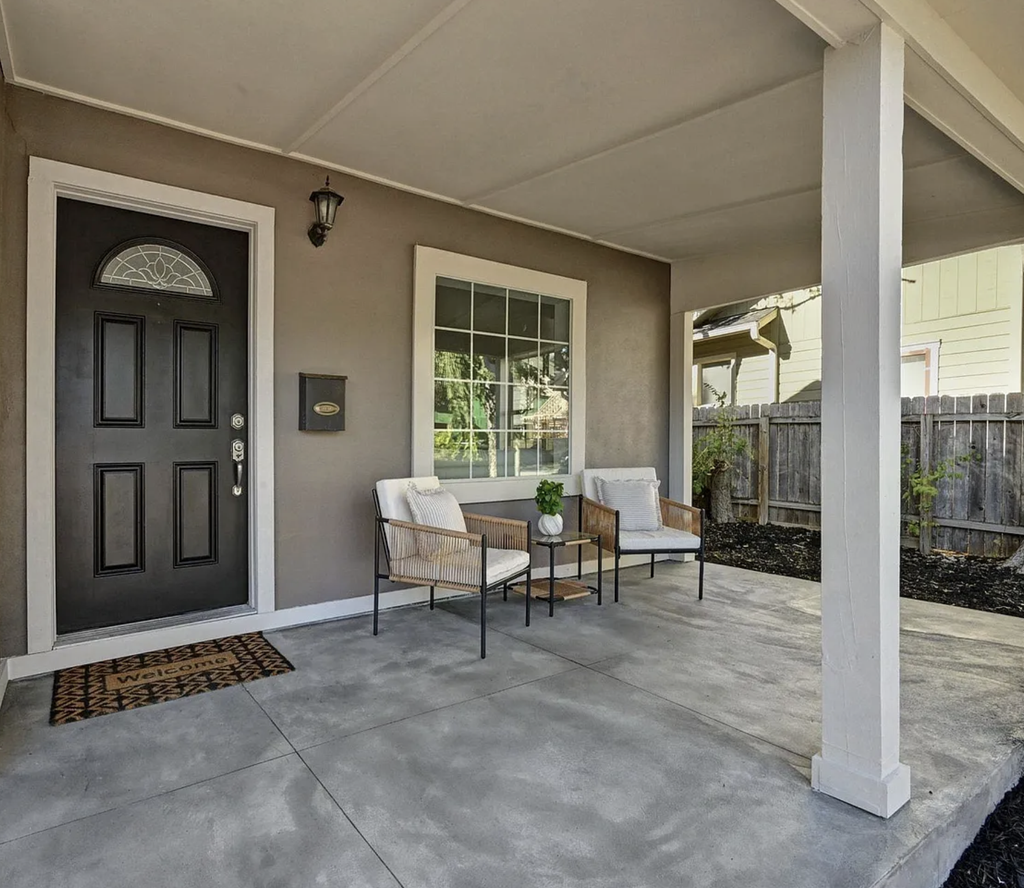
Texas weather can be tough on a home’s exterior.
Between intense summer heat, strong UV exposure, sudden temperature changes, humidity, heavy rain, and the occasional freeze, exterior surfaces in Austin experience conditions that can cause paint to fade, crack, peel, or deteriorate over time.
That means exterior painting in Central Texas isn’t just about choosing a great color. Proper preparation, quality materials, and the right application process all play a major role in how your home looks—and how well the finish holds up.
Whether your exterior is starting to show its age or you’re simply ready for a new look, here’s what Austin homeowners should know before starting an exterior painting project.
1. Texas Sun Is Hard on Exterior Paint
One of the biggest challenges for exterior paint in Austin is prolonged sun exposure.
UV radiation can gradually break down exterior coatings, causing colors to fade and finishes to lose their original appearance. Areas that receive direct afternoon sun may show wear differently than shaded areas of the same home.
Darker and highly saturated colors can also show fading differently depending on the product, surface, and amount of exposure.
That’s why exterior paint selection shouldn’t be based on color alone.
A quality exterior coating designed for the surface and environment can make a significant difference in long-term performance.
2. Proper Preparation Is Everything
A beautiful exterior paint job starts long before the first finish coat goes on.
Depending on the condition and material of the home, preparation may include:
- Washing exterior surfaces
- Scraping loose or peeling paint
- Sanding rough areas
- Repairing damaged surfaces
- Caulking appropriate gaps and joints
- Addressing exposed wood
- Priming bare or repaired areas
- Protecting windows, landscaping, roofing, and surrounding surfaces
Painting over a poorly prepared surface may look fine initially, but problems underneath can eventually affect the finished coating.
At OnePoint Austin, we believe prep work is part of the paint job—not an optional step before it.
3. Not Every Exterior Surface Should Be Treated the Same
Austin homes can include several different exterior materials on a single property.
You might have:
- Wood siding
- Fiber cement siding
- Stucco
- Brick
- Masonry
- Metal
- Exterior doors
- Garage doors
- Fascia
- Soffits
- Trim
Each surface can have different preparation and coating requirements.
For example, painting wood trim may require addressing peeling coatings or deteriorated areas first, while masonry surfaces can require a different type of preparation.
A professional painting plan considers what is being painted, not just which color is going on it.
Learn more about OnePoint Austin’s Painting Services:
4. Moisture Problems Should Be Addressed Before Painting
Exterior paint can protect a surface, but it isn’t a solution for an underlying moisture problem.
Before painting, homeowners should look for signs such as:
- Peeling or bubbling paint
- Water stains
- Soft or deteriorated wood
- Persistent mildew
- Failed caulking
- Areas where water regularly collects
- Damaged siding or trim
If water is getting behind a surface, simply covering it with new paint may hide the issue temporarily without solving it.
Finding and addressing the source first can help protect both the new finish and the home underneath.
5. Timing Matters in Texas
Texas gives us plenty of warm weather, but hotter isn’t always better when it comes to exterior painting.
Paint products have manufacturer-recommended temperature and weather conditions for application. Surface temperature can also be very different from the temperature shown on your weather app—especially when a wall is sitting in direct Texas sun.
Humidity, rain, wind, and overnight temperatures can also affect scheduling.
Professional painters plan exterior work around both the weather and the conditions of the surfaces being painted.
The goal isn’t simply to choose a sunny day. It’s to create the right conditions for the coating being used.
6. Choosing the Right Exterior Color Takes More Than a Paint Chip
Exterior colors look very different outdoors than they do inside a store.
Natural sunlight, surrounding landscaping, roofing, stone, brick, neighboring homes, and even the direction your house faces can influence how a color appears.
Before making your final selection, consider:
- Roof color
- Existing stone or brick
- Garage doors
- Windows
- Front door
- Landscaping
- Permanent exterior materials
- HOA requirements, if applicable
Testing samples directly on the home can help you see how colors change throughout the day.
Our Design & Staging team can also help homeowners choose colors that complement the architecture and existing finishes of their home.
7. Don’t Forget the Trim, Doors, and Details
Sometimes the biggest exterior transformation comes from the smaller details.
Fresh paint on:
- Fascia
- Soffits
- Trim
- Shutters
- Garage doors
- Front doors
- Porch ceilings
can dramatically change the overall appearance of a home.
Contrast can also be used strategically.
A lighter body color with darker trim can emphasize architectural features, while a bold front door can add personality without changing the entire exterior palette.
A well-designed exterior color scheme considers the whole home, not just the siding.
8. Your Front Door Can Make a Big Impact
If you’re not ready to repaint the entire exterior, the front door is one of the easiest places to make a noticeable change.
Depending on the home’s architecture, popular choices can range from classic black and deep navy to natural wood tones, muted greens, or warmer statement colors.
The right front door color can help create a focal point and make the entry feel more intentional.
Pair it with updated lighting, clean trim, and refreshed hardware, and a relatively small project can make a noticeable difference in curb appeal.
9. Exterior Paint Is Also About Protection
Exterior painting obviously changes the appearance of your home—but coatings also serve a practical purpose.
When properly selected and applied, exterior coatings help protect compatible surfaces from exposure to weather, sunlight, and moisture.
That’s why waiting until paint is severely peeling or surfaces are deteriorating isn’t always the best strategy.
Regularly walking around your property and watching for early signs of coating failure can help you address maintenance before the scope becomes larger.
10. Know the Signs That It’s Time to Repaint
There isn’t one universal schedule for every home.
How often an exterior needs painting depends on factors such as:
- Surface material
- Previous preparation
- Previous coating quality
- Sun exposure
- Moisture exposure
- Landscaping
- Home maintenance
- Color selection
- Local weather
Instead of relying only on the number of years since your last paint job, look at the condition of the exterior.
Signs it may be time to repaint include:
- Noticeable fading
- Peeling or flaking
- Cracking
- Exposed substrate
- Failed caulking
- Chalky-looking surfaces
- Deteriorated trim
- A color that simply feels outdated
Catching these signs early can help prevent a cosmetic refresh from turning into a larger repair project.
💡 OnePoint Pro Tip
Walk around your home once or twice a year and look closely at the sides receiving the most sun and weather exposure.
Pay particular attention to trim, fascia, doors, windows, siding joints, and areas where different materials meet.
If you notice peeling, failed caulking, exposed material, or moisture-related damage, don’t wait until the entire exterior looks worn.
Exterior maintenance is usually easier when problems are caught early.
📊 Industry Insight
Paint manufacturers provide specific recommendations for surface preparation, application temperatures, drying conditions, and compatible products. Following those instructions is an important part of achieving the intended performance of an exterior coating.
The PaintCare program also provides information about properly managing leftover architectural paint, including drop-off locations and recycling resources where available.
For homeowners considering color changes, Sherwin-Williams and Benjamin Moore both provide exterior color inspiration and product information that can be useful during the planning process.
For Austin homeowners, it’s also worth checking applicable neighborhood or HOA requirements before making a major exterior color change.
🔗 Helpful Resources
Sherwin-Williams — Exterior Paint & Color Resources
https://www.sherwin-williams.com/
Benjamin Moore — Exterior Paint Inspiration
https://www.benjaminmoore.com/
PaintCare — Paint Recycling & Disposal Resources
https://www.paintcare.org/
City of Austin — Home & Property Resources
https://www.austintexas.gov/
❓ Frequently Asked Questions
How often should I repaint the exterior of my Austin home?
There isn’t one schedule that applies to every house. The lifespan of an exterior paint job depends on the material, previous preparation, product used, sun exposure, weather, and maintenance.
Instead of relying only on age, watch for fading, peeling, cracking, failed caulking, and exposed surfaces.
What is the best time of year to paint a house in Austin?
Exterior painting can be possible during several parts of the year, but conditions need to fall within the requirements of the specific coating being used.
Temperature, surface temperature, humidity, rain, wind, and drying time should all be considered when scheduling.
Can you paint a house during the Texas summer?
Potentially, but extreme heat and direct sunlight can create challenges. The surface itself may become much hotter than the surrounding air.
Professional painters may adjust their schedule and work around the home based on sun exposure and product requirements.
Should I pressure wash my home before painting?
Cleaning is an important part of many exterior preparation processes, but the correct method depends on the surface and its condition. Excessive pressure can damage some materials, so cleaning should be appropriate for the substrate.
Do I need primer before exterior painting?
Not every previously painted surface requires the same primer approach. Bare materials, repaired areas, stains, or certain substrates may require specific primers.
The condition and type of surface should determine the preparation system.
Should I repair damaged siding before painting?
Yes. Paint shouldn’t be used to hide deterioration, water damage, or other underlying problems. Necessary repairs should be addressed before the finish coating is applied.
📚 Related Articles
Continue exploring the OnePoint Homeowner Resource Center:
- Before You Pick the Pretty Stuff: What Really Matters in a Quality Remodel
- The Ultimate Guide to Choosing the Right Paint Colors for Your Home
- How to Modernize an Older Austin Home Without Losing Its Character
- Why Project Planning Is the Most Important Part of Any Remodel
- The Ultimate Home Maintenance Checklist for Texas Homeowners
🏡 Give Your Austin Home a Fresh Start
A great exterior paint job does more than change your home’s color.
It can refresh curb appeal, highlight architectural details, and help protect exterior surfaces from the demanding Central Texas environment.
At OnePoint Austin, our painting process focuses on the details that matter—from preparation and product selection to application and the final walkthrough.
And with our 9-year labor and material warranty on interior and exterior painting, homeowners can feel confident that we’re standing behind our work.
Whether your exterior is showing signs of wear or you’re simply ready for a completely new look, we’re here to help.
Fresh color. Proper preparation. Quality craftsmanship. OnePoint Austin.
SEO Keywords
- Exterior painting Austin
- Austin exterior painters
- House painting Austin TX
- Exterior painting Texas
- Austin house painters
- Professional painters Austin
- Exterior paint Texas heat
- When to repaint house exterior
- Exterior home maintenance Austin
- Exterior paint colors Austin
- OnePoint Austin
