
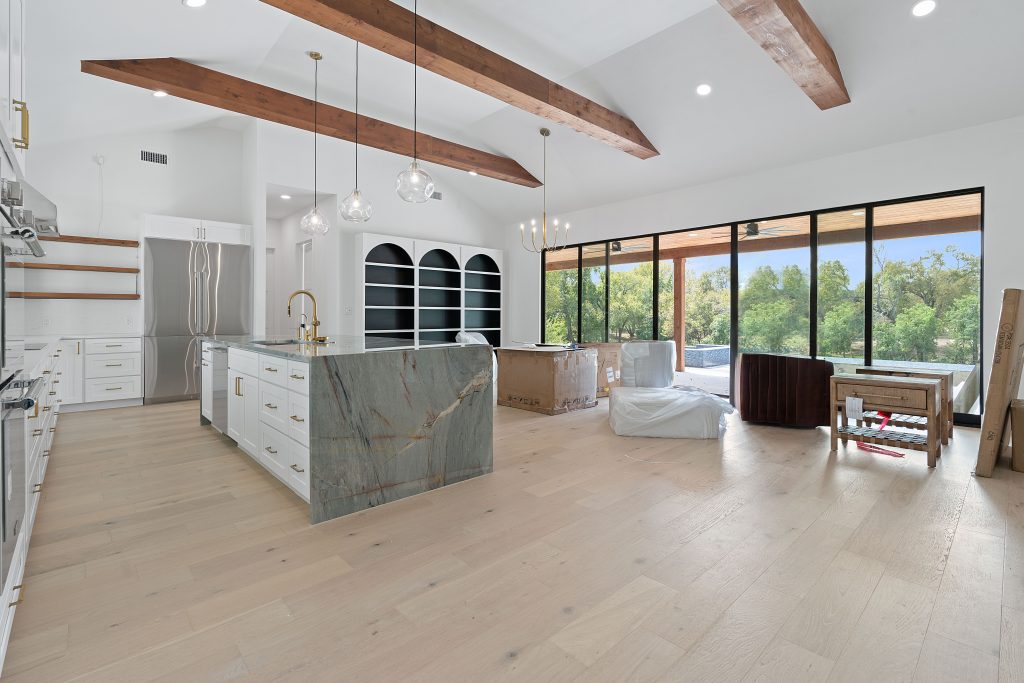
It’s easy to get excited about the beautiful parts of a remodel—the countertops, tile, paint colors, lighting, cabinetry, and fixtures that bring your vision to life.
And while those selections absolutely matter, a truly successful renovation depends on much more than what you see in the finished photos.
The quality of a remodel is often determined before the pretty stuff ever goes in.
What’s behind the walls, how surfaces are prepared, whether waterproofing is done correctly, how materials are installed, and how the entire project is managed can make the difference between a renovation that simply looks beautiful and one that’s built to last.
Before you start choosing finishes for your next project, here are some of the things that matter most in a quality remodel.
1. A Solid Plan Comes Before Construction
Great remodeling projects don’t begin with demolition. They begin with planning.
Before work starts, you should have a clear understanding of:
- The scope of work
- Your overall budget
- Design selections
- Material requirements
- Project timeline
- Necessary trades
- Potential challenges
- What the finished space should accomplish
Making these decisions early helps everyone involved understand the goal and reduces last-minute changes once construction is underway.
It also gives your contractor an opportunity to identify potential problems before they become expensive surprises.
If you’re preparing for a renovation, read our related article Why Project Planning Is the Most Important Part of Any Remodel in the OnePoint Homeowner Resource Center.
2. What’s Behind the Walls Matters
Some of the most important parts of your renovation will never appear in the final photos.
Depending on the project, that can include:
- Framing
- Plumbing
- Electrical
- Insulation
- Waterproofing
- Subfloor preparation
- Ventilation
- Structural support
These aren’t usually the exciting selections homeowners save to their inspiration boards, but they’re essential to the longevity and safety of the finished space.
A beautiful bathroom doesn’t mean much if water finds its way behind the tile. A stunning kitchen can quickly become frustrating if electrical outlets weren’t thoughtfully planned.
Quality construction starts with getting the fundamentals right.
3. Proper Prep Work Makes a Huge Difference
Preparation is one of the easiest places to see the difference between a rushed project and quality craftsmanship.
Whether you’re painting walls, installing flooring, laying tile, or refinishing cabinetry, the surface underneath needs to be properly prepared.
That might mean:
- Repairing drywall
- Sanding surfaces
- Removing damaged materials
- Leveling floors
- Cleaning and priming
- Correcting moisture issues
- Repairing cracks
- Preparing concrete
Prep work isn’t glamorous, but skipping it can affect how your finished materials look and how long they last.
At OnePoint Austin, we believe the work you don’t see is just as important as the work you do.
4. Waterproofing Is Not the Place to Cut Corners
If you’re remodeling a shower or bathroom, waterproofing deserves serious attention.
Tile and grout alone aren’t what make a shower waterproof. A properly constructed shower requires a complete waterproofing system underneath the finished surfaces.
Details around shower pans, niches, benches, corners, and penetrations all need to be handled correctly.
This is one of those parts of a remodel where quality installation matters far more than choosing the most expensive tile.
You may never see the waterproofing once the bathroom is complete—but you’ll certainly notice if it wasn’t done correctly.
5. Quality Installation Matters as Much as Quality Materials
Expensive materials don’t automatically create a high-quality remodel.
Beautiful tile installed poorly will still look poorly installed.
Premium cabinetry that’s incorrectly aligned won’t feel luxurious.
High-end flooring installed over an improperly prepared surface may develop problems later.
Craftsmanship matters.
A great remodeling team understands how each material should be installed and takes the time to get the details right.
Sometimes the smartest place to invest isn’t in upgrading the material—it’s in making sure the material you choose is installed properly.
6. Good Project Management Keeps Everything Moving
A renovation involves much more than the work happening inside your home.
Behind the scenes, someone needs to coordinate:
- Materials
- Deliveries
- Subcontractors
- Inspections
- Scheduling
- Design selections
- Client communication
- Punch-list items
- Unexpected conditions
Without good project management, even a beautifully designed renovation can become frustrating.
Clear communication and organization help keep everyone aligned and allow problems to be addressed quickly when they arise.
At OnePoint Austin, project management is an important part of our renovation process because homeowners deserve to know what’s happening with their project—not wonder what’s happening next.
Learn more about our Renovation & Construction services:
7. The Small Details Create the Finished Look
Once the major construction is complete, the small details begin to matter.
Think about:
- Consistent grout lines
- Clean paint edges
- Straight trim
- Properly aligned cabinet doors
- Caulk lines
- Hardware placement
- Flooring transitions
- Outlet placement
- Fixture alignment
Individually, these details may seem small.
Together, they’re what make a finished space feel polished.
Great craftsmanship is often noticed not because one feature stands out—but because everything feels like it belongs exactly where it is.
8. Function Should Guide the Design
It’s easy to fall in love with a beautiful inspiration photo, but your home needs to work for your life.
Before choosing a layout or design feature, think about how you’ll actually use the space.
For a kitchen, consider:
- Where you prepare food
- How many people use the kitchen
- Where appliances should be located
- How much storage you need
- How you entertain
For a bathroom, think about:
- Shower storage
- Vanity space
- Lighting
- Towel placement
- Electrical outlets
- Daily routines
Beautiful design is even better when it makes everyday life easier.
Our Design & Staging team can help homeowners make selections that balance style and functionality.
9. Communication Is Part of Quality
Quality craftsmanship is important, but so is the experience of getting there.
Homeowners should understand what’s happening throughout their project.
Good communication means discussing:
- What work is being completed
- Upcoming phases
- Decisions that need to be made
- Schedule changes
- Unexpected discoveries
- Questions or concerns
Construction doesn’t always go exactly according to plan, particularly when renovating an older home.
The difference is how those situations are communicated and handled.
10. The Final Walkthrough Matters
A quality remodeling process shouldn’t end the moment the last fixture is installed.
The final walkthrough gives the homeowner and project team an opportunity to review the completed work together.
This is when you can identify any final adjustments or punch-list items that need attention.
It’s also an opportunity to make sure the finished project matches the expectations established at the beginning.
The goal isn’t simply to finish the job.
The goal is to finish it right.
💡 OnePoint Pro Tip
When comparing remodeling proposals, don’t only compare the final price.
Ask what’s included.
Two proposals can look similar while covering very different levels of preparation, materials, project management, and craftsmanship.
Understanding how the work will be completed can be just as important as knowing what the finished project will look like.
📊 Industry Insight
Organizations across the remodeling and building industry consistently emphasize the importance of proper installation, building standards, and qualified professionals.
The National Association of Home Builders (NAHB) provides resources for homeowners considering remodeling projects and guidance for working with professional remodelers.
For bathroom renovations, the Tile Council of North America (TCNA) publishes industry standards and installation guidance covering tile assemblies and proper installation methods.
And when remodeling involves energy efficiency, insulation, windows, HVAC systems, or other performance improvements, ENERGY STAR provides homeowner resources for making informed upgrade decisions.
The common theme is simple: materials matter, but how they’re planned, prepared, and installed matters just as much.
🔗 Helpful Resources
National Association of Home Builders (NAHB)
https://www.nahb.org/
Tile Council of North America (TCNA)
https://www.tcnatile.com/
ENERGY STAR – Home Improvement Resources
https://www.energystar.gov/
City of Austin Development Services – Residential Permits
https://www.austintexas.gov/department/development-services
❓ Frequently Asked Questions
What should I look for when choosing a remodeling contractor?
Look beyond the price of the proposal. Consider communication, experience, project management, scope clarity, craftsmanship, and whether the contractor explains how the work will be completed.
Is it worth spending more on installation instead of materials?
In many cases, yes. Proper installation can have a major impact on the appearance, performance, and longevity of your materials. A moderately priced material installed correctly can often be a better investment than an expensive material installed poorly.
Why is prep work so important during remodeling?
Preparation creates the foundation for the finished work. Uneven surfaces, moisture problems, damaged drywall, cracks, or improper substrates can affect paint, tile, flooring, cabinetry, and other finishes.
What should be decided before construction starts?
Whenever possible, finalize your layout, major materials, cabinetry, countertops, tile, flooring, fixtures, lighting, hardware, and paint selections before construction begins. This can help reduce delays and last-minute changes.
What is a punch list?
A punch list is a list of final items identified near the end of a construction project that need to be adjusted, corrected, or completed before the project is considered finished.
📚 Related Articles
Continue exploring the OnePoint Homeowner Resource Center:
- Why Project Planning Is the Most Important Part of Any Remodel
- How to Modernize an Older Austin Home Without Losing Its Character
- Kitchen Remodeling Trends Homeowners Are Loving in 2026
- Luxury Home Features Homeowners Are Choosing in 2026
- How to Know When It’s Time to Remodel Instead of Move
🏡 Beautiful Is Only Part of a Great Remodel
It’s easy to notice the tile, countertops, cabinetry, and paint colors when a renovation is complete.
But the true quality of a remodel is found in everything that made those finishes possible.
Thoughtful planning. Proper preparation. Skilled craftsmanship. Clear communication. Attention to detail.
At OnePoint Austin, we believe homeowners deserve both—a beautiful finished space and quality work behind it.
Whether you’re planning a bathroom renovation, kitchen remodel, or complete home transformation, our team is here to guide the project from the first conversation through the final walkthrough.
Because the best renovations aren’t just made to look good. They’re made to last.
- Quality home remodel
- Austin remodeling contractor
- Home renovation Austin
- Quality remodeling
- Remodeling contractor Austin TX
- What to know before remodeling
- Home renovation tips
- Bathroom remodeling Austin
- Kitchen remodeling Austin
- Remodeling craftsmanship
- Renovation project management
- OnePoint Austin
